This guide helps you prepare the requirements for a transport proposal. It does not set a universal baggage allowance or promise the layout of any model.
Count the people who actually travel
Begin with the passengers on each movement, not the total number invited to an event. Include a guide, escort or additional organiser who needs a seat. Keep the driver separate when confirming usable passenger capacity.
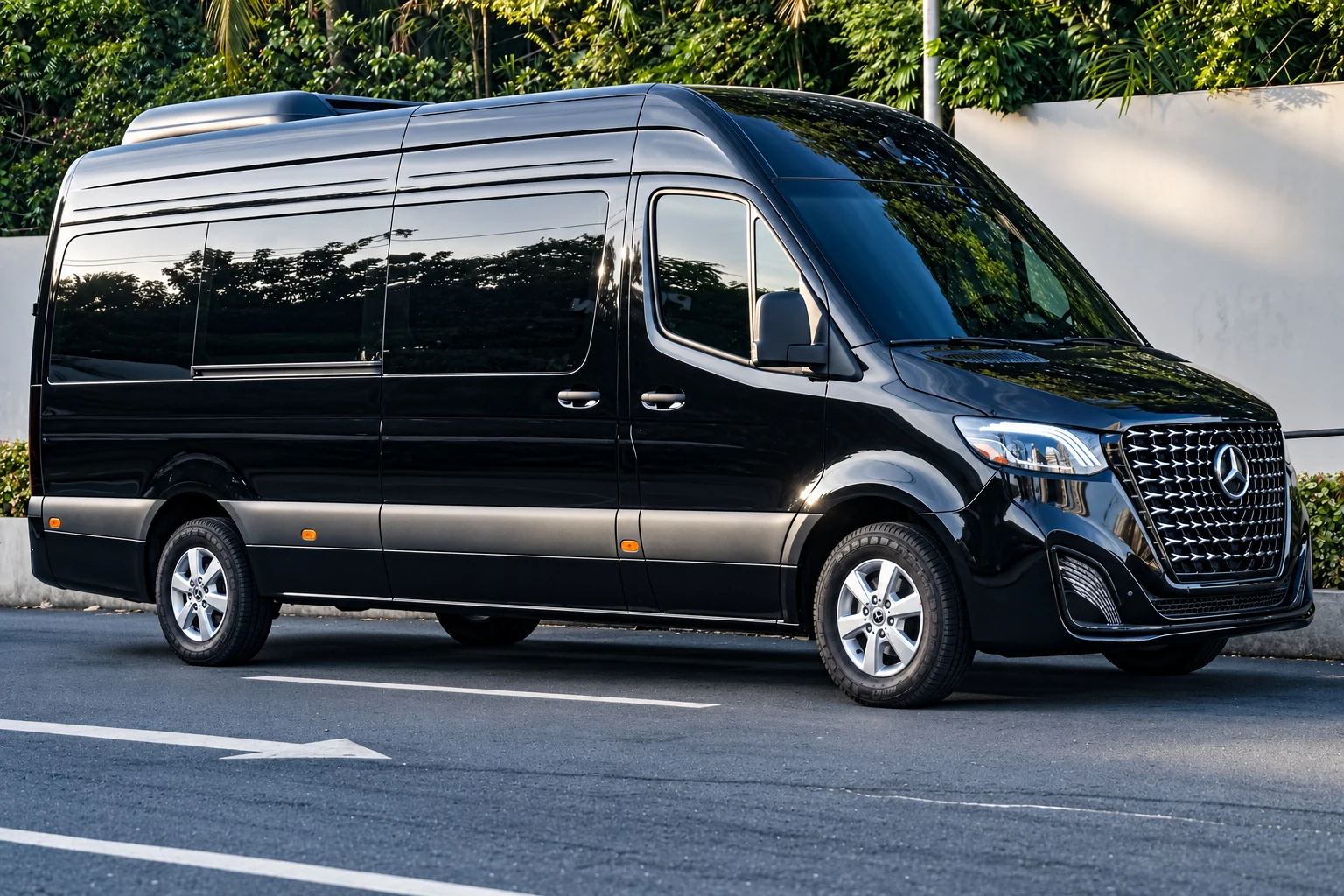
Category labels can be ambiguous. For example, clarify whether a quoted “9-seater” means nine usable passenger places or a total that includes the driver's seat. Do not resolve that question by guessing from a photograph or a manufacturer's model name.
The same group may have different requirements on different days. An airport arrival with everyone and their luggage is a separate capacity question from a hotel shuttle used by only part of the group.
Describe luggage so it can be assessed
“Normal luggage” is difficult to interpret. Provide numbers of suitcases and hand bags, plus approximate dimensions for items that matter: sports equipment, exhibition cases, musical instruments or folded mobility equipment.
A vehicle may have enough passenger seats without the confirmed space for every bag. A larger category or a different arrangement may be worth reviewing, but the proposal must confirm the actual solution. Never assume that luggage can use an aisle or a space needed for safe boarding.
Compare the requirements, not only category names
| Decision | Information to provide | What the proposal should confirm |
|---|---|---|
| Seats | All travellers needing a place | Usable passenger capacity, separate from the driver |
| Luggage | Quantity, size and oversized items | Space for the stated luggage, not a generic allowance |
| Boarding | Practical assistance or equipment requirements | The actual vehicle features and agreed assistance |
| Comfort | Amenities essential to your group | Confirmed features, rather than a model preference alone |
| Itinerary | Every leg and any waiting requirement | Suitability for the agreed route and service hours |
Silverhound's form includes executive, minibus and coach enquiry categories. Those choices express preferences; availability and specifications are confirmed in the offer. A larger vehicle is not automatically the better plan if the itinerary or access needs a different arrangement.
Keep mobility requirements specific and private
Describe the practical boarding or equipment requirement. For example, say whether a traveller needs to remain in a wheelchair during the journey or whether a folded chair must be carried. Do not assume that one arrangement implies the other.
Ask for the relevant vehicle features to be confirmed. An enquiry category does not establish accessibility. Send only information needed to plan the journey; medical records are not necessary for an initial transport brief.
A brief you can reuse
Write a short requirement list for each movement:
- Passengers needing seats, including guides and escorts.
- Suitcases, cabin bags and larger items with dimensions where useful.
- Essential boarding features and any assistance to discuss.
- Pickup and destination, with stops in order.
- Required arrival or departure time and requested waiting.
- Preferred category and which preferences are essential.
Before booking, check the written proposal against that list. If the final passenger count or baggage changes, ask whether the confirmation still fits; an extra person can matter even when the route has not changed.
For a local programme, use coach and minibus hire in Munich. For intercity travel, see group journeys in Germany. You can also review the vehicle enquiry categories.
Send your group and luggage requirements. Submitting the form does not confirm a vehicle or booking.